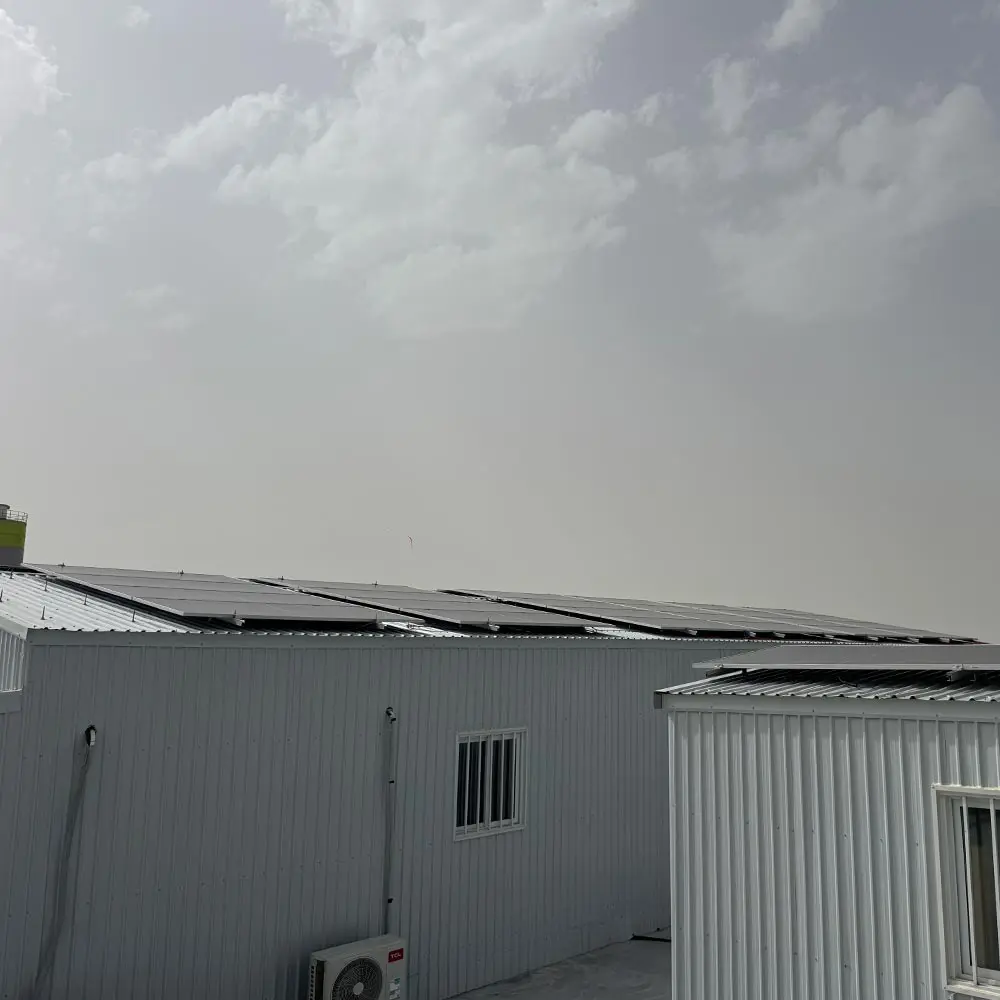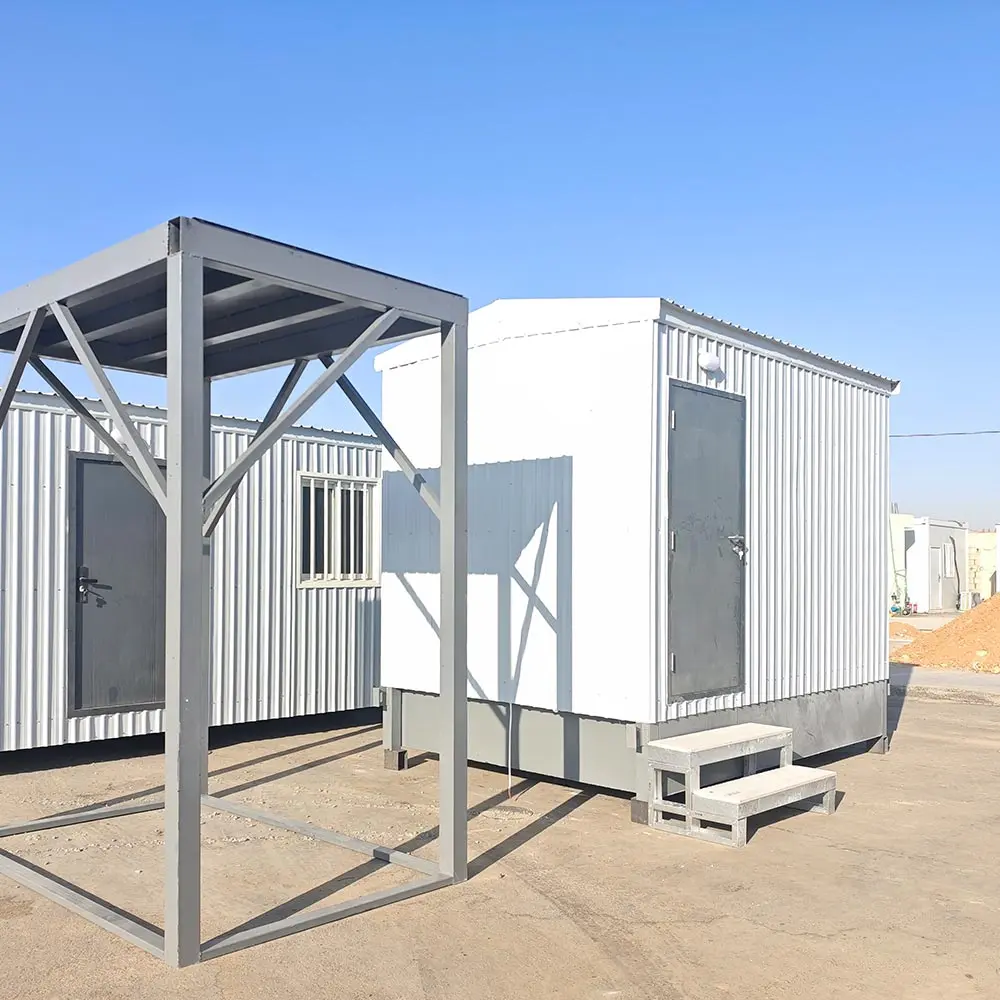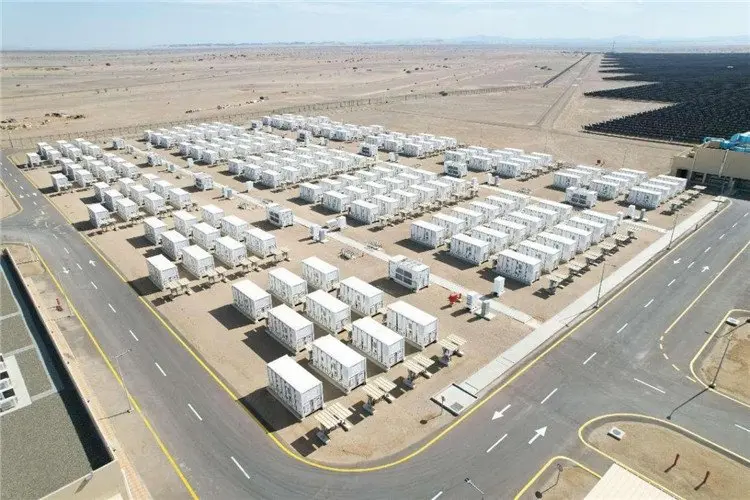
Cold-Formed Light Gauge Steel System

Light Steel Framing (LGS) for Camps & Project Buildings

Worker housing, site offices, dining halls and clinics — in cold-formed steel built to last the full project, not just one season.

We size the frame, insulation and services around how each building is actually used, fabricate it in our own factory, and erect it with our own crews — so the scope is right and the handover lands on schedule.
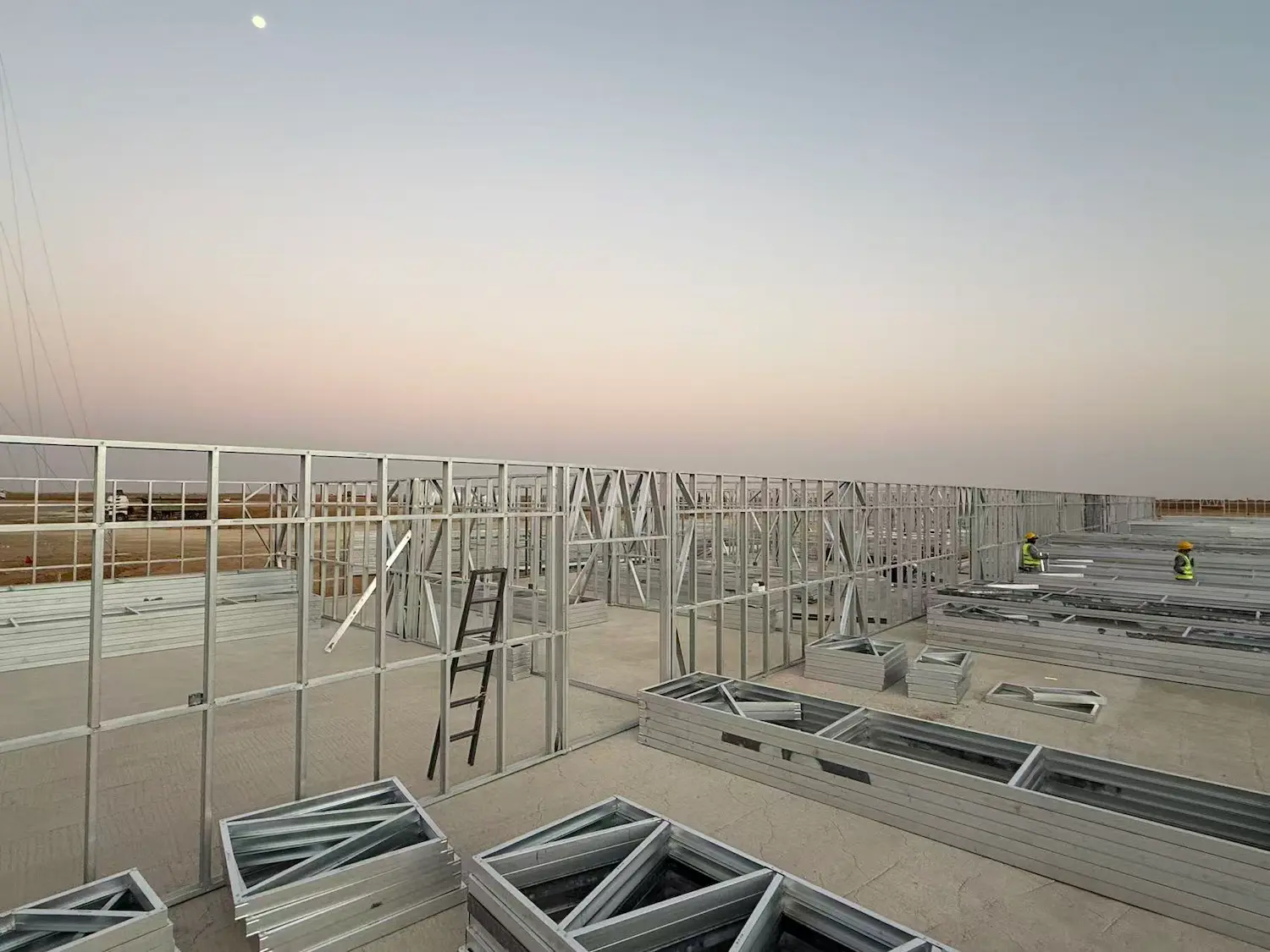
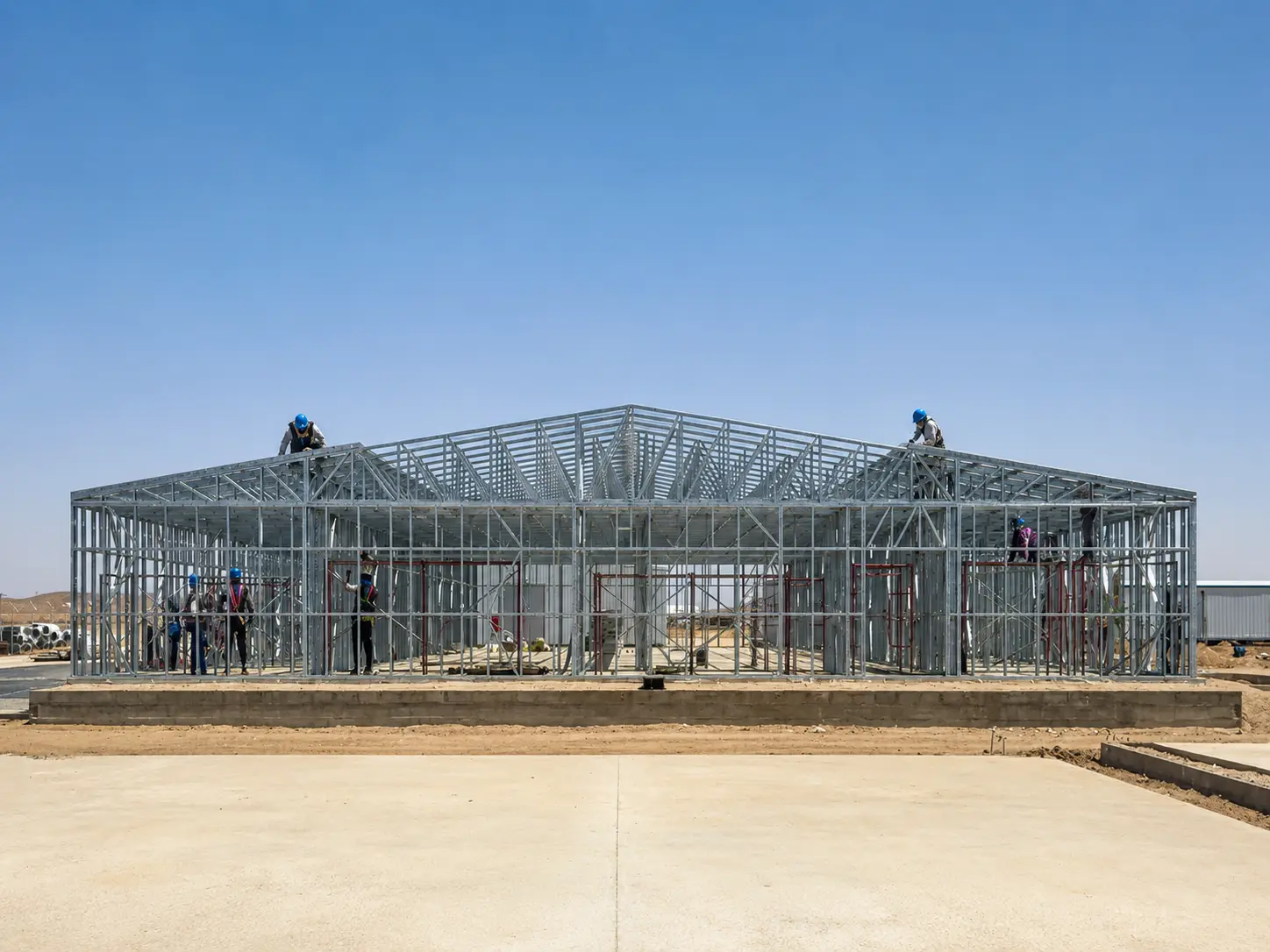
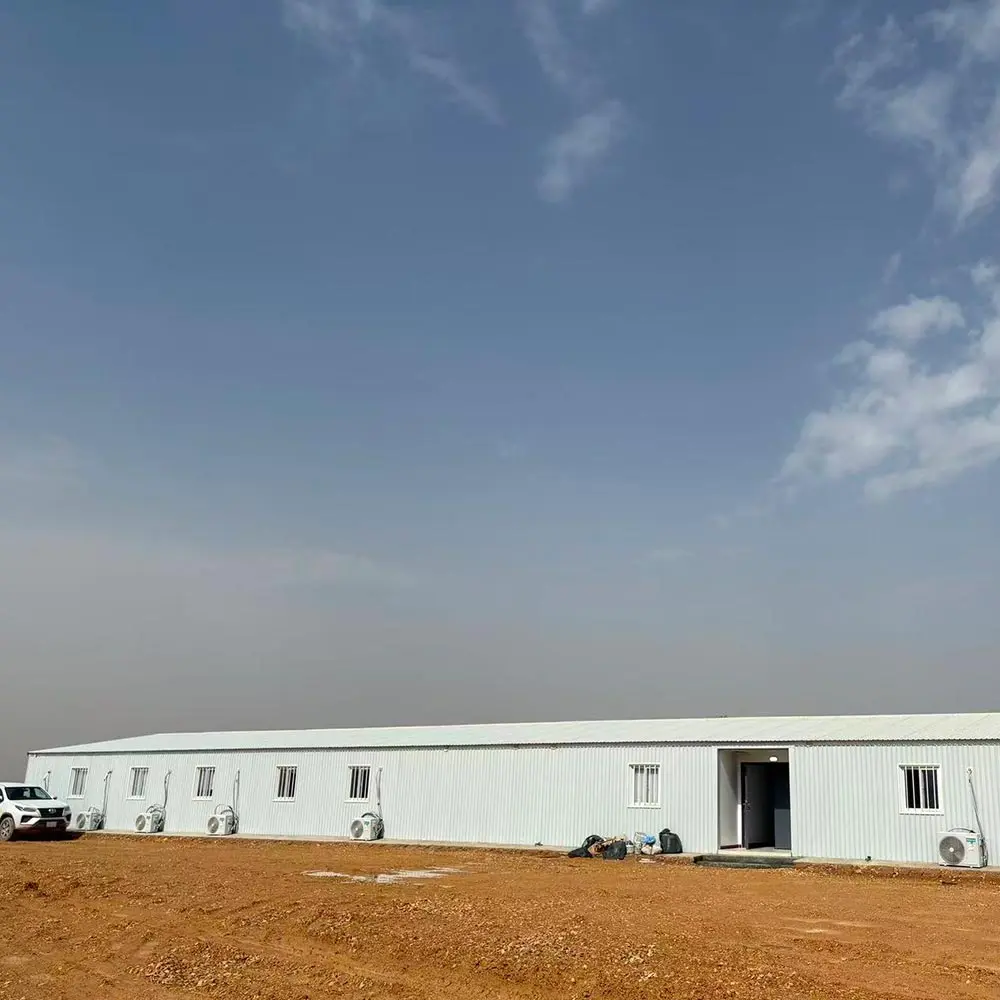
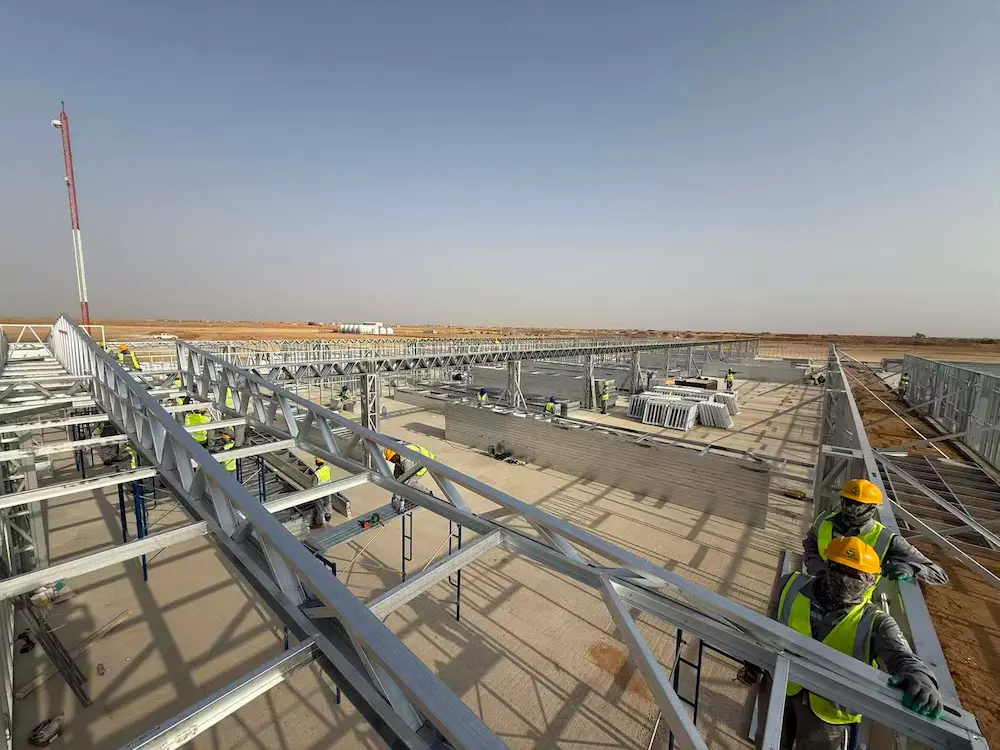
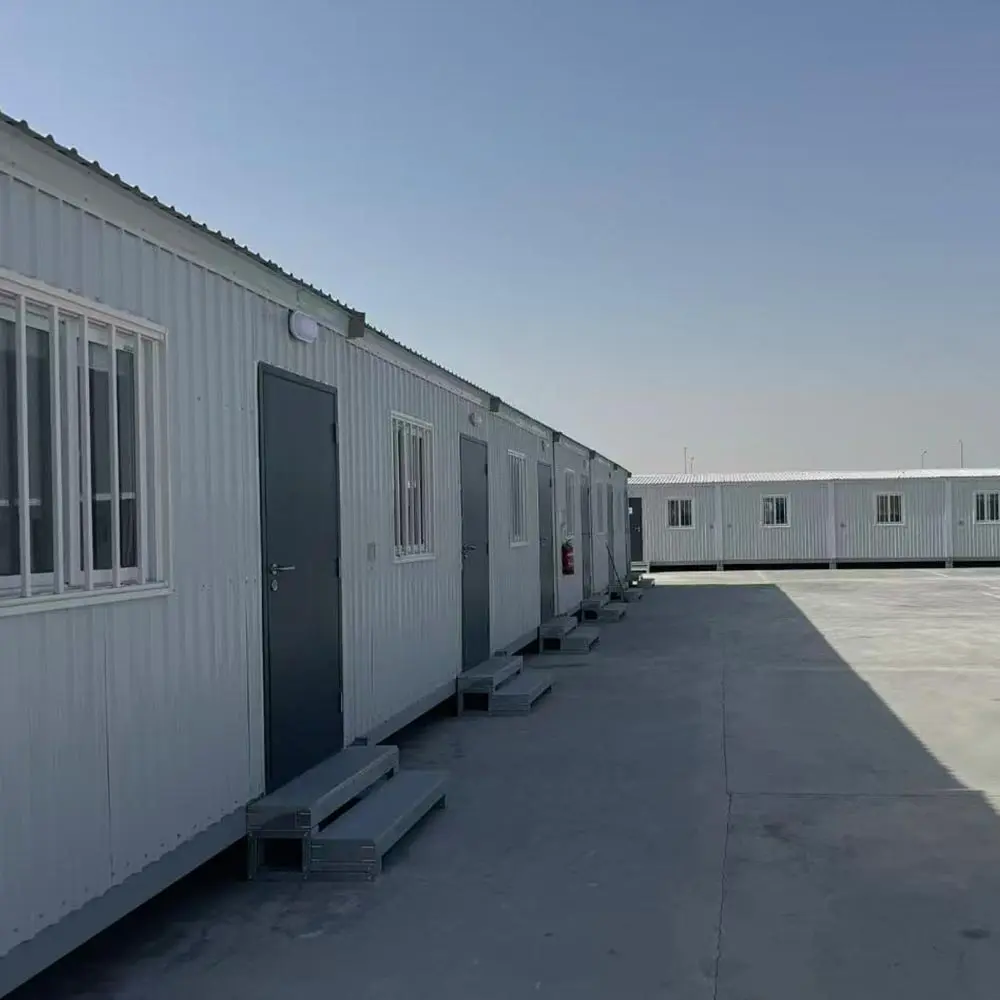
Light gauge steel framing building for project accommodation
Heat-ready 100 mm insulated wall & roof build-up for summer loads
Light Steel Accommodation Camp buildings made to run for years, not weeks.
0 Our own LGS factory in Al-Kharj, south of Riyadh
0m²/mo Light steel output; we scale up as the headcount grows
0+ crew Our own installers erect on site, no third parties to chase
00days Typical fabrication-to-delivery for camp-scale batches
12-month warranty · on-site after-sales
ISO 9001 · 20+ years building modular
Supply-only or full install to handover
SAUDIND BUILD SYSTEM

Inside the LGS House
Layer by Layer

The light gauge steel house is delivered as a coordinated building kit: galvanized steel frame, insulated roof and wall layers, floor build-up, doors and windows. This section shows what buyers need to check before quotation, production and site assembly.
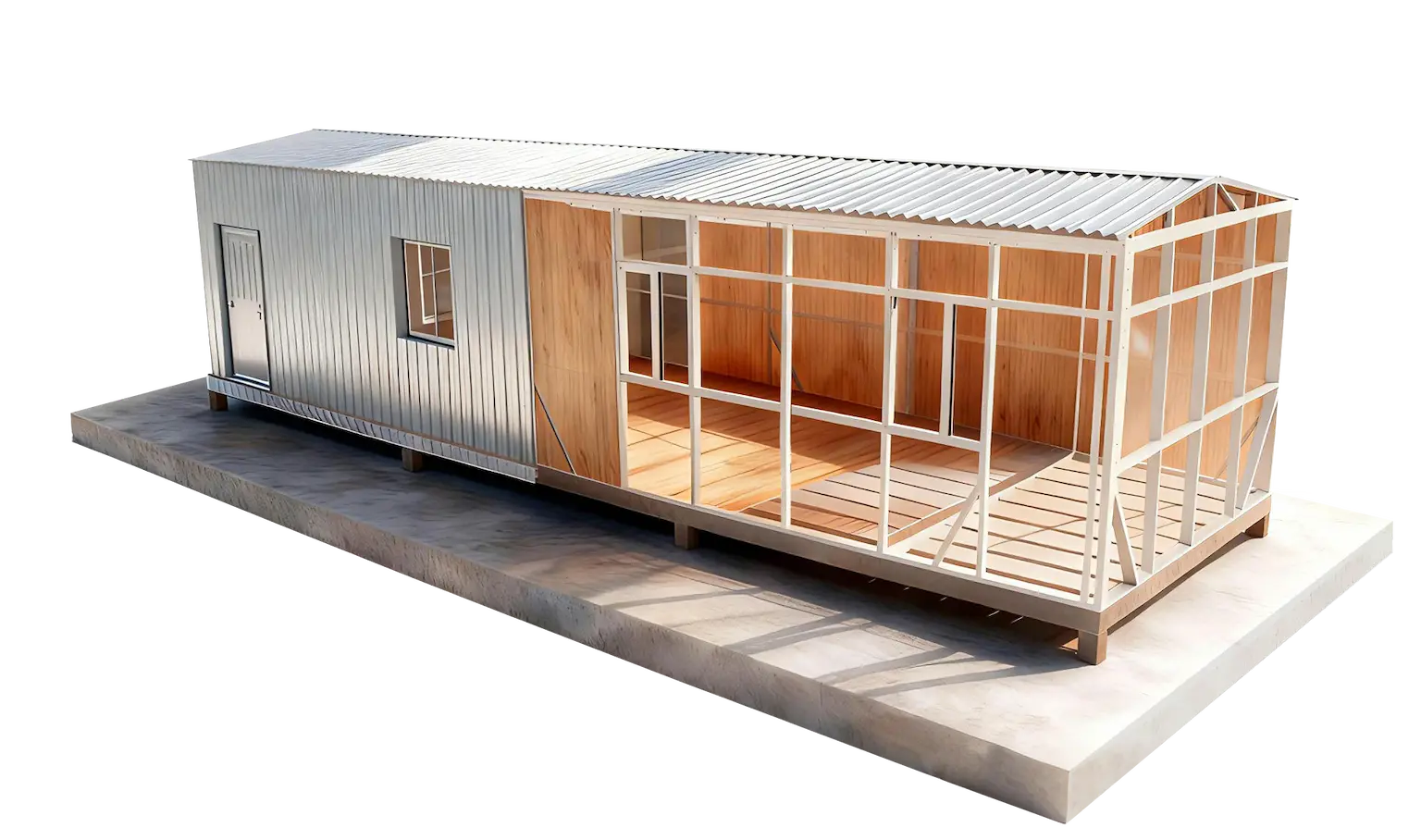
Light gauge steel house structure breakdown
01Roof color steel plate 02Roof truss beam 03Roof ceiling 04Bamboo-wood fiberboard 05Baseboard 06Steel door 07PVC window 08Wall glass wool 09Cement fiber board 10Thin-walled light steel wall 11Ground purlins 12Floor adhesive 13150×100 rectangular tube
01 - STEEL FRAME SYSTEM

Confirm the frame before finishes.

Base beams, wall studs, ground purlins and roof trusses form the load path. For quotation, confirm room size, layout, foundation condition and any local compliance request.

02 - INSULATED ENVELOPE

Roof, wall and floor layers control comfort.

Roof sheet, ceiling, wall board, insulation and floor build-up should match the site climate, room use, AC plan and cleaning requirements.

03 - FACTORY-FITTED OPENINGS

Doors and windows need early decisions.

Opening size, swing direction, lock type, window style and insect screen requirements are easier to control before production than after the kit arrives on site.

Galvanized steel frame Layered roof and wall system Factory-fitted openings Site assembly based on labelled parts

LGS Building Types

Two Light Steel Systems For Camp And Project Buildings

Choose the LGS system by how the building will be used. We then size the frame, insulation, roof system, openings and service routes around the real project layout.
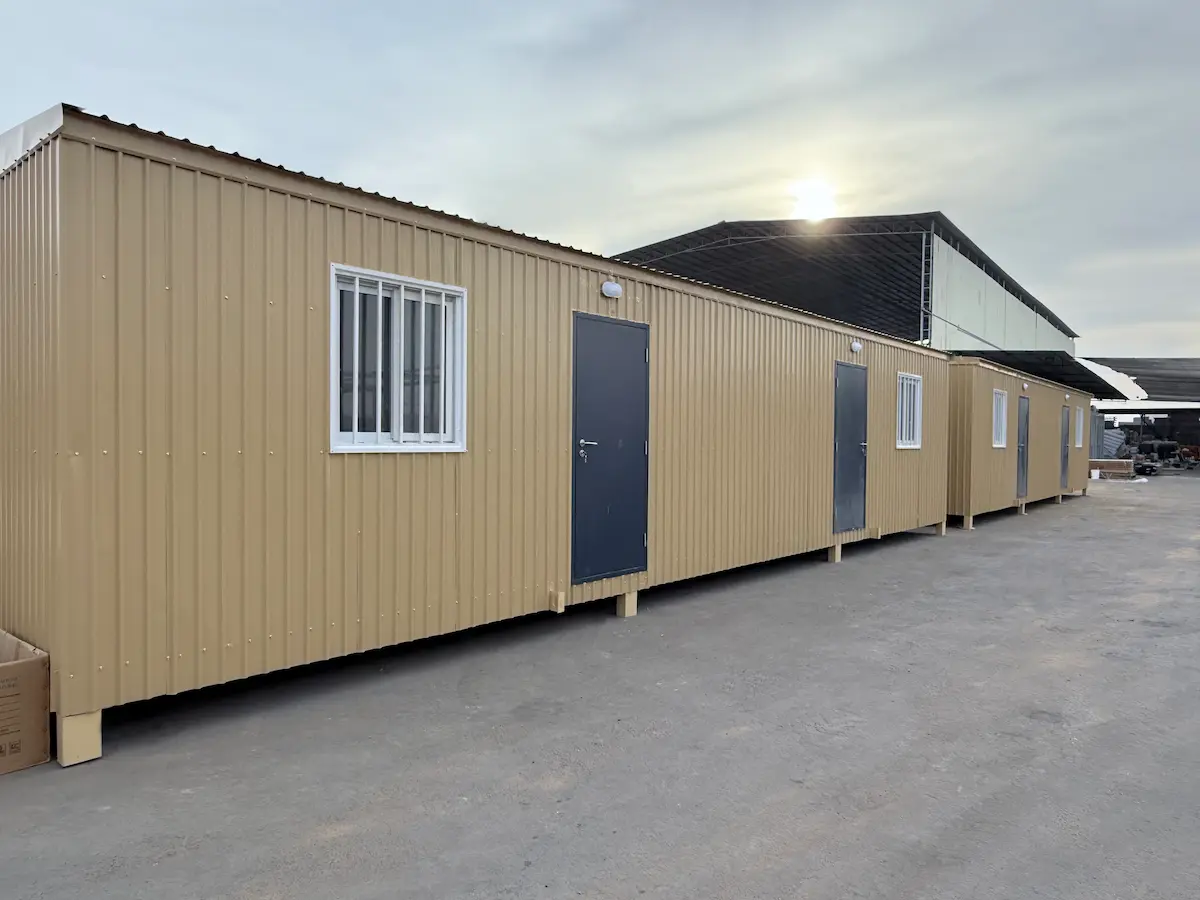
LGS staff housing light steel frame accommodation building
01
  • Staff Housing
  • Accommodation Blocks
01 / LGS Staff Housing

LGS Staff Housing

For worker dormitories, staff rooms and supervisor accommodation. We plan the room grid, insulation, wet areas, corridors, stairs and service routes around occupancy and welfare requirements.

Dormitory blocks Staff rooms Low-rise camp layout
View Staff Housing System
Wide span LGS building for office hall dining hall and project facilities
02
  • Wide-Span Buildings
  • Dining / Office / Clinic
02 / Wide-Span LGS Building

Wide-Span LGS Building

For dining halls, site offices, clinics and large project buildings where open interior space matters. We check the span, roof system, column layout, ceiling load and HVAC routes before frame production.

Dining halls Site offices Clinics and open halls
View Wide-Span System

Not sure which system fits? Send the building use, floor area, sketch, wet areas and service points. We will confirm whether the scope is better handled as staff housing or wide-span LGS before quoting.

Send Requirement
One Camp - One Supplier

Light Steel Buildings For Your Whole Camp.

A camp is more than worker accommodation. From a single site office to a full multi-building camp, we build all of it in light steel and lay it out for you before anything is cut.
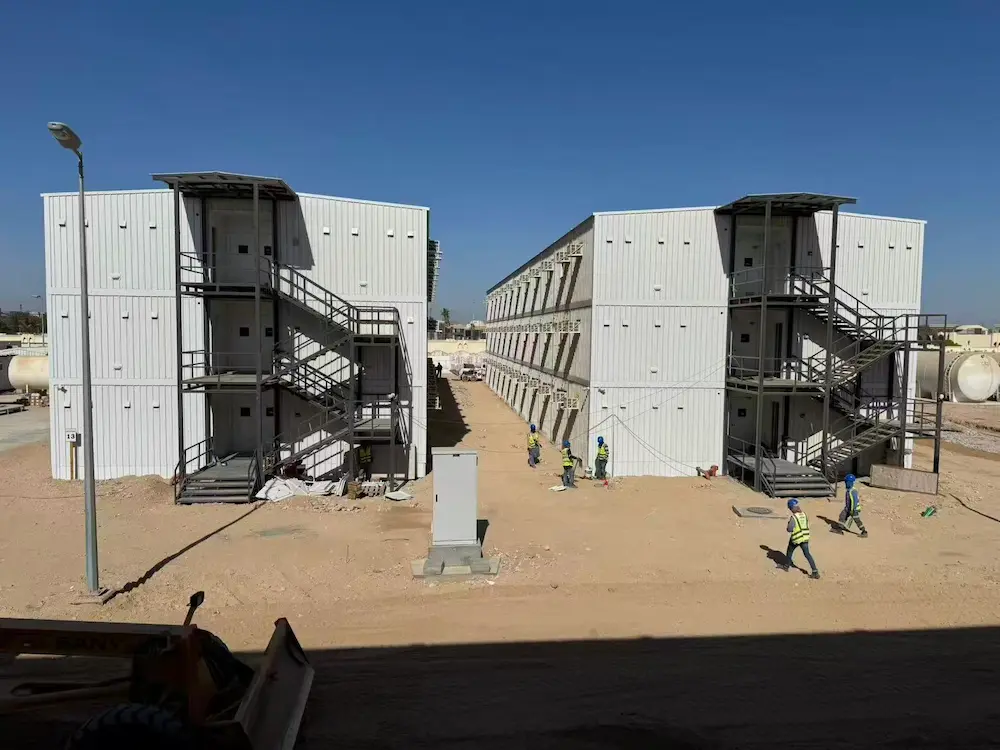
LGS staff accommodation buildings for camp housing
Staff Housing Accommodation
01

Staff Accommodation

Galvanised cold-formed steel rooms, about 43 m2 per module at 2.41 m clear height, with 100 mm glass-wool insulated walls and roof. Modules join into any room count.
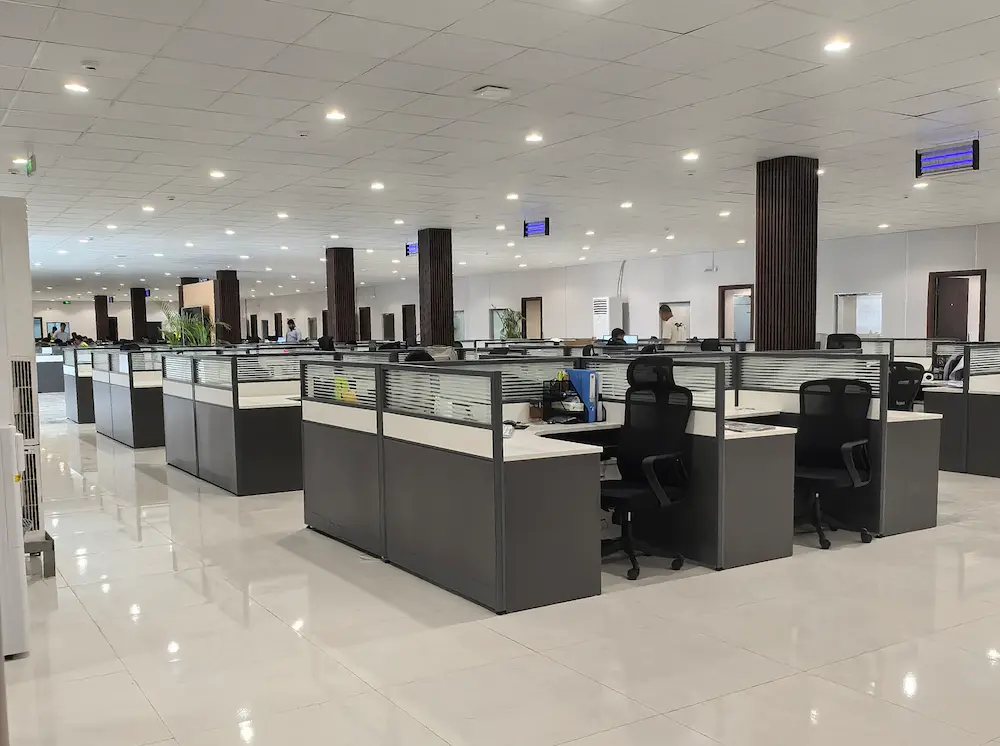
LGS site office and project headquarters building
Site Offices Project HQ
02

Site Offices & Project HQ

The same room system, partitioned into offices, meeting rooms and document control, with power, data and split-AC points set out before fabrication.
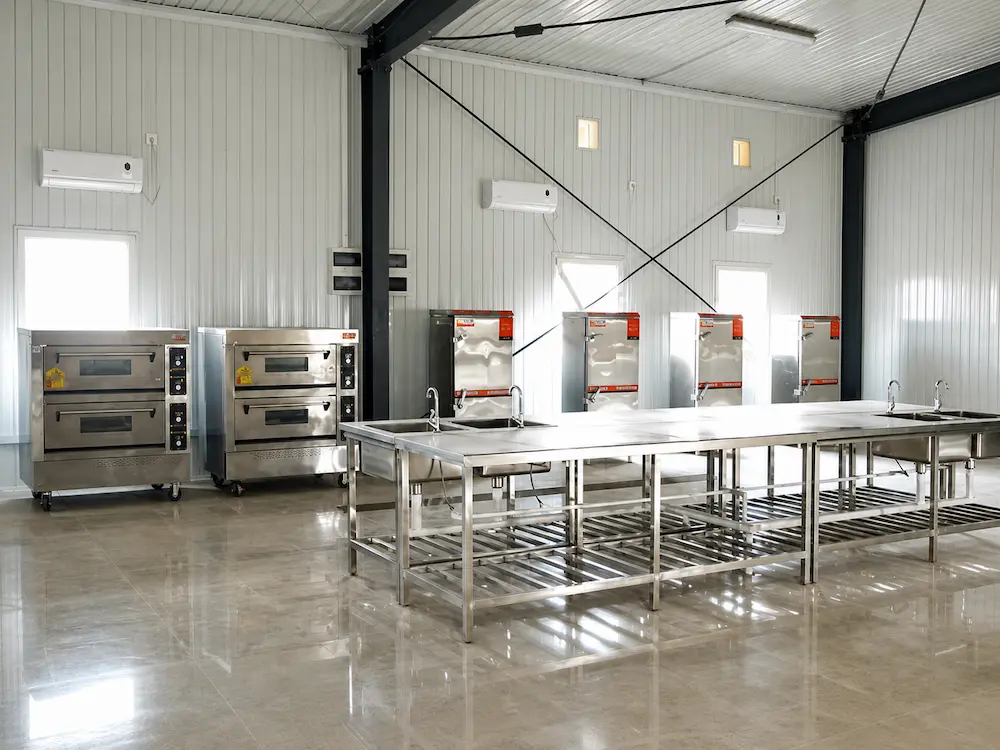
Wide-span LGS dining hall and kitchen for project camp
Dining Kitchen
03

Dining Halls & Kitchens

Wide-span LGS with clear spans of 6-12 m at 2.8-3.3 m eave height, in 50-300 m2 footprints. A column-free floor for seating, serving lines and kitchen exhaust.
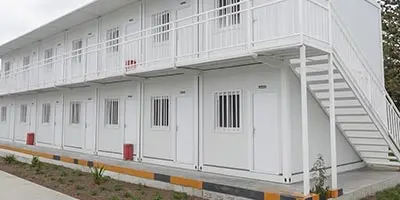
Clinic and first aid room for LGS camp building
Clinic First Aid
04

Clinics & First-Aid Rooms

Built on the wet-room spec: compact-laminate partitions, floor drainage and PVC/PPR plumbing, with washable surfaces throughout.
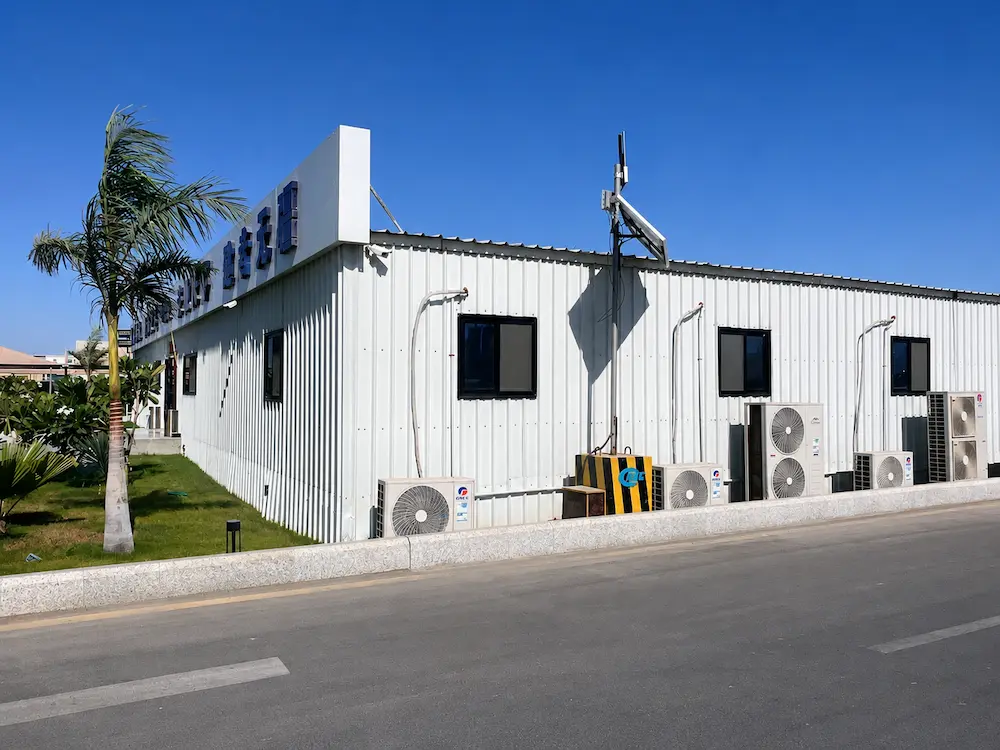
Wide-span LGS warehouse and store building
Warehouse Stores
05

Warehouses & Stores

Wide-span LGS, column-free up to 12 m clear at 2.8-3.3 m eave height: open floor for racking, pallets and forklift access.

Support Custom
06

Support & Custom Facilities

Guardhouses (1.5 x 1.5, 2 x 2 or 2 x 3 m), laundries, prayer and induction rooms, and one-off buildings sized to your site.

One camp, one team.
Tell us the buildings and the headcount. We will lay out the full camp and confirm the module size, span and finish for each.

Performance & Specifications

Built for the Heat
Fire‑Safe and Corrosion‑Resistant

It's the build-up, not the bare steel, that decides how a building performs. Ours keeps rooms cool through summer, stays fire‑safe, and resists corrosion on coastal sites. Here are the numbers.

Summer Heat

Cool Through the Summer

Walls and roof are built up with 100 mm aluminium-foil-faced glass wool. The foil reflects radiant heat off the roof; the wool slows the rest. Rooms stay workable and the AC is not running flat-out all day. For hotter sites, insulation and U-value step up.

Fire Safety

Non-Combustible, Fire-Rated

The galvanised steel frame does not burn or feed a fire the way timber does, and it is clad in fire‑rated boards built to the rating your code or client requires, shielding the structure and slowing heat transfer.

Coastal Sites

Rust-Resistant on the Coast

The frame is cold-formed from galvanised zinc-coated steel, so it resists rust from the surface in. On coastal, high-humidity sites like Jeddah, Dammam and the Eastern Province, the coating grade steps up to match the salt load.

Item Specification
Frame Galvanised cold-formed light-gauge steel; Q235B / Q355B for wide-span members.
Wall & roof 100 mm aluminium-foil-faced glass-wool insulation.
Floor 18 mm fibre-cement board + PVC sheet flooring.
Interior clear height 2.41 m (standard LGS room module).
Standard unit footprint ~43 m2 per module, joined into any room count.
Wide-span Clear span 6-12 m / eave 2.8-3.3 m / footprint 50-300 m2.
Wet areas Compact-laminate (Trespa-type) partitions / PVC/PPR plumbing / waterproof non-slip floor.
Zinc coating grade Specified per site, stepped up for coastal. Coating mass to confirm
Fire rating To code / client requirement. Rating hours to confirm
U-value / insulation upgrade Set to the project climate. U-value to confirm

Need the numbers for your engineer?
We'll send the full data sheet: frame grade, insulation, fire and coating spec, set to your site and climate.

Request the Spec Sheet

Project Reference

Selected Projects

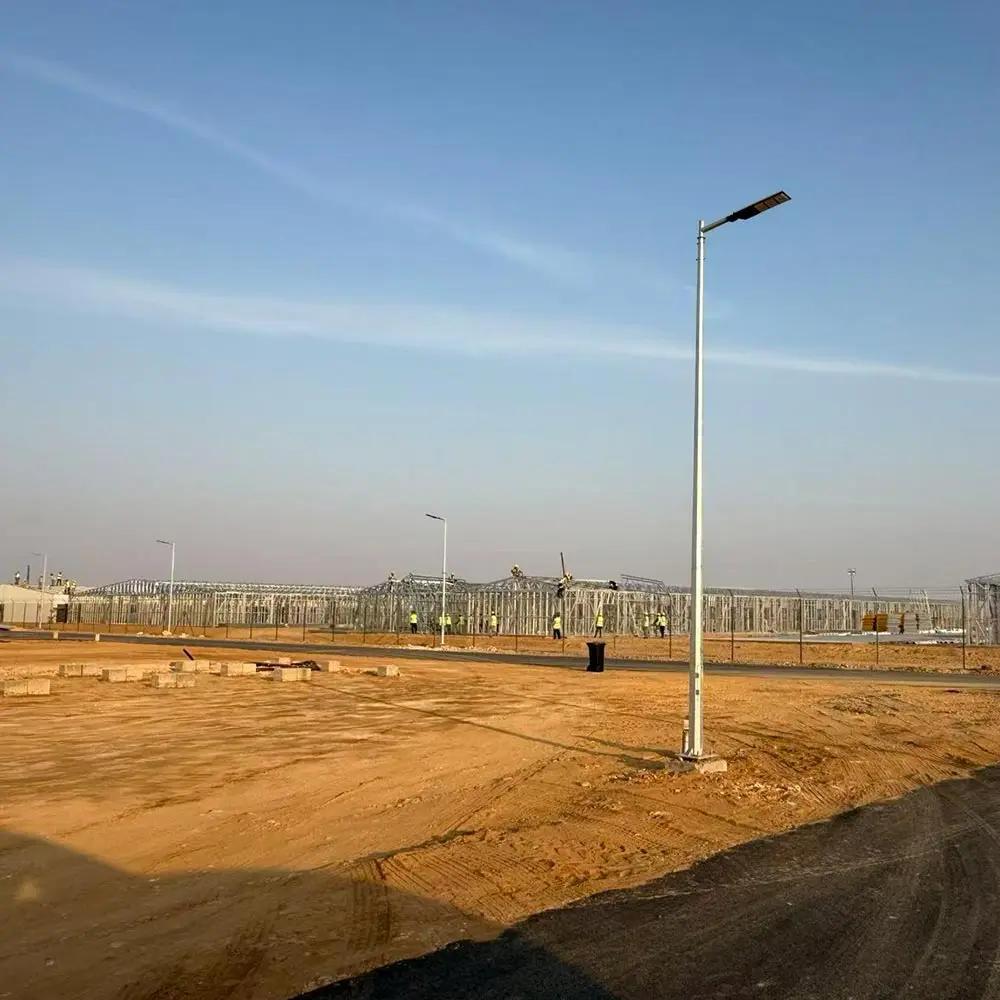
Built and delivered across Saudi Arabia.

Labour camps, workforce accommodation and site office complexes supplied to contractors and project operators across the Kingdom.
01
Building Code

SBC Submission Support

Frame, fire and insulation specs aligned for SBC submission through Balady / MOMRAH.

01
02
Worker Welfare

Camp Living Standard

Room area, ventilation, thermal comfort, ablution, kitchen and fire-safety layout checked before quote.

02
03
Client Gate

Operator Review Pack

For Aramco, SABIC or major EPC sites, we prepare drawings, material data and HSE documents for camp review.

03
Why Saudind

The Advantages That Show Up on Site

Fewer surprises, faster setup, and a camp that grows and lasts with the project.

01

A Strong Steel Frame That Lasts

The steel frame stays straight for years — no sagging roofs, sinking doors or cracked walls. What you hand over is what keeps standing to the end of the project.

02

Fire-Safe, With No Foam Core

The walls and roof are fire-safe and use no flammable foam, so the building meets the fire rules on EPC and client projects that ban foam-core panels — a check cheaper prefab often fails.

03

Easy to Expand as the Camp Grows

Rooms add on side by side or stack upward, so a 50-bed camp can grow to 300 without taking anything down when the project scales up.

04

Quick to Build, Clean to Remove

The buildings bolt together fast and need fewer skilled workers on site. They sit on simple pads with no deep foundation, and come off cleanly at the end — no rubble left behind.

05

Keeps Sand and Dust Out

The building is fully sealed, so sandstorms and dust stay outside. Rooms and equipment stay clean, even on open inland sites.

06

Laid Out to Suit Your Camp

The open interior can be arranged into prayer rooms, a halal kitchen, offices or dorms, and the outside can carry your company's colours.

These aren't brochure lines — they're how the camp performs. Send us your site and we'll show you the build behind each one.

How We Work

LGS Building Process

The process starts with building use and site conditions, then moves through layout review, engineering scope, fabrication planning, site assembly and handover checks.

Step 01

Requirement Review

Confirm building use, site location, floor area, room layout, wet areas, service points and delivery scope.

01
Step 02

Layout And Engineering Scope

Review span, roof type, openings, wall build-up, insulation, foundation interface and MEP route requirements.

02
Step 03

Fabrication Preparation

Prepare frame members, wall and roof package, connection details and project documentation according to approved scope.

03
Step 04

Site Assembly

Install the frame on the prepared base, then coordinate wall panels, roof system, openings and service routes by scope.

04
Step 05

Handover Check

Check completed scope, openings, finishes, service points and remaining punch-list items before final handover.

05
Step 06

After-Sales Support

Keep one accountable team after handover for warranty items, site adjustments, future expansion and support requests as the camp keeps running.

06

Preparing an LGS project brief? Send building use, floor area, layout sketch, site location, wet areas and service requirements for first scope review.

Popular Queries

Quick And Clear Answers
To Your Key Questions

Light gauge steel framing is a construction system that uses cold-formed galvanised steel members to create the structural frame of a building. For project facilities, it is normally selected when the buyer needs a dry construction method, predictable frame components and a building layout that can be fixed before production.

The main limitations are thermal bridging, the need for accurate design before production, and less flexibility for major layout changes after the frame is fabricated. These are not reasons to avoid LGS, but they must be handled through wall build-up, engineering review and clear drawing approval.

Yes, if the wall and roof assembly is specified correctly. Thermal performance depends on the complete envelope, including insulation layers, roof detailing, reflective materials, ventilation planning and AC load coordination. The steel frame alone should not be used as the thermal performance claim.

Service life depends on the galvanising grade, coating specification, environment, detailing and maintenance. For a Saudi project building, the structure should be specified according to the expected use period and site conditions instead of relying on a generic lifespan number.

Many project-use LGS buildings are planned as one to three storeys, depending on function, load, span, local approval requirements and engineering review. For taller or heavier-use buildings, a hybrid structural approach may be more suitable.

Foundation design depends on soil bearing capacity, building load, floor count, wind load and local approval requirements. Many low-rise LGS buildings can use pad footings, strip footings or steel base interfaces, but the correct approach must be confirmed during engineering review.

Get a Quote

Start Your
Project Quote
Today

Send us your project details and our Saudi-based factory team will prepare a tailored proposal within 24 hours — with specs, production lead time, local delivery plan, and installation support.

Saudi-Made-ar
Address

92P8+MG, Southern Hyt, Riyadh 14575

Support

+966 532580666
info@saudind.com

Request a Quote

Municipality_&_Events